RBI MPC Meeting April 2026: Key Takeaways and Impact on Dalal Street
The Reserve Bank of India (RBI) has announced its first monetary policy for FY27. Discover the crucial highlights from the April 2026 MPC meeting, the shifting stance on inflation, and how rate-sensitive sectors like banking and real estate will react on Dalal Street.
RBI Monetary Policy FY27: Navigating Global Headwinds and Dalal Street’s Reaction
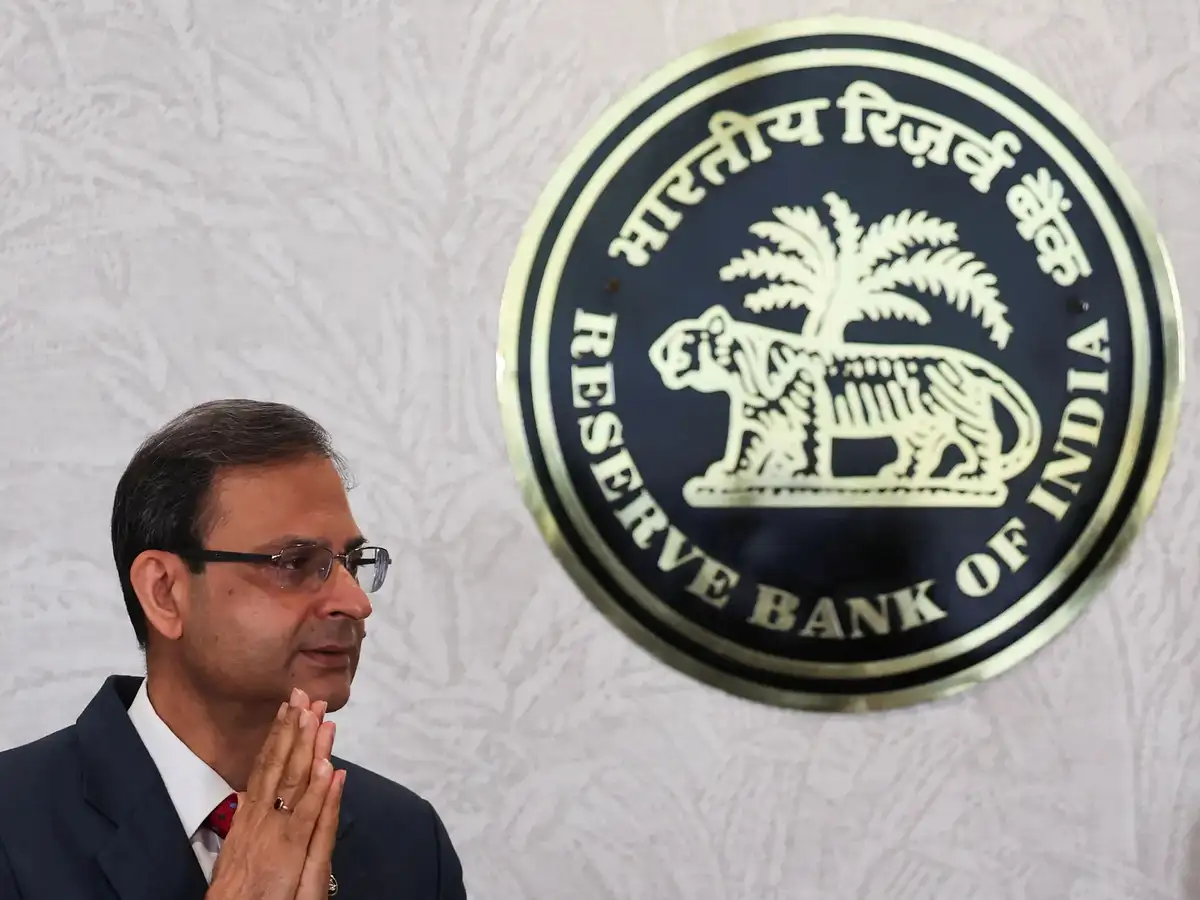
The Reserve Bank of India's (RBI) Monetary Policy Committee (MPC) has officially concluded its highly anticipated three-day meeting (April 6–8, 2026), setting the financial tone for the first quarter of FY27. Under the leadership of RBI Governor Sanjay Malhotra, the six-member panel delivered a cautious but fundamentally strong policy statement.While Dalal Street investors were initially hoping for further monetary easing, the central bank opted for a pragmatic "wait-and-watch" approach. With the benchmark repo rate maintained at 5.25%, the RBI is aggressively balancing India's robust domestic growth with the severe external headwinds caused by escalating Middle East tensions and a massive spike in global crude oil prices.Here is the ultimate, in-depth breakdown of the April 2026 RBI MPC meeting, the underlying macroeconomic data, and exactly how retail investors should position their stock portfolios in the coming months.
The Core Decision: A Strategic Pause at 5.25%
Following a total of 125 basis points in rate cuts delivered throughout the previous calendar year, the MPC unanimously voted to maintain the status quo in this first meeting of FY27.Here is a quick snapshot of the current policy rates as of April 2026:
Policy Instrument | Current Rate | Directional Context |
Policy Repo Rate | 5.25% | Unchanged / Extended Pause |
Standing Deposit Facility (SDF) | 5.00% | Floor of the corridor |
Marginal Standing Facility (MSF) | 5.50% | Ceiling of the corridor |
Bank Rate | 5.50% | Aligned with MSF |
Cash Reserve Ratio (CRR) | 3.00% | Maintained |
Statutory Liquidity Ratio (SLR) | 18.00% | Maintained |
By maintaining a Neutral stance, the RBI has signaled maximum policy flexibility. Governor Sanjay Malhotra emphasized that the central bank remains vigilant and is fully prepared to use proactive liquidity management tools if the global oil shock begins to threaten India's domestic inflation trajectory.
4 Macroeconomic Triggers Behind the RBI's Cautious Stance
Why did the RBI hit the brakes on the rate-cut cycle? The decision was heavily influenced by four major global and domestic factors:
1. The $100+ Crude Oil Shock
The most significant overhang on the April 2026 monetary policy is the escalating geopolitical conflict in West Asia. Brent crude oil prices have surged past the critical $100 per barrel mark, pushing the Indian crude basket up to approximately $124 per barrel. Because India imports over 80% of its crude oil requirements, this is a massive systemic shock that threatens to trigger "imported inflation," forcing the RBI to play it safe.
2. Currency Pressures and Rupee Depreciation
The Indian Rupee has faced sustained pressure, recently testing the 93 mark against the US Dollar. The combination of foreign institutional investor (FII) outflows (estimated at over ₹1.2 lakh crore in March 2026) and the rising import bill has weakened the currency. A rate pause helps prevent further widening of the interest rate differential with the US, providing a much-needed floor for the Rupee.
3. Inflation vs. Growth Balancing Act
The RBI's primary mandate is maintaining retail inflation (CPI) around the 4% target. While core inflation remained relatively benign early in the year, the central bank recognizes that a sustained oil shock could quickly bleed into fuel, fertilizer, and transport costs. Meanwhile, India's GDP growth remains a global bright spot, with FY27 estimates hovering around a resilient 6.5% to 6.8%, meaning the economy does not urgently need a rate-cut stimulus.
4. Transmission of Past Rate Cuts
The banking system is still absorbing the 125 basis points of repo rate cuts implemented in 2025. The MPC wants to allow time for these rate reductions to fully transmit through the financial system, lowering corporate borrowing costs and retail EMI burdens organically before initiating any further policy actions.
Impact on Dalal Street: Sector-by-Sector Analysis
The stock market despises uncertainty. By holding the rates steady and providing clear forward guidance, the RBI has eliminated immediate interest rate anxiety from Dalal Street. Here is how key rate-sensitive sectors are expected to react in Q1 FY27:
The Banking and Financial Sector (NBFCs)
Outlook: Cautiously Bullish
Why: Banks thrive on credit growth and stable margins. With the repo rate stabilizing at a very accommodating 5.25%, lending rates remain attractive for both retail and corporate borrowers. Furthermore, the RBI's focus on proactive liquidity management ensures that banks will not face a sudden funding squeeze. Expect high-quality private banks and large-cap NBFCs (like Bajaj Finance and HDFC Bank) to see sustained accumulation by mutual funds.
The Real Estate Sector
Outlook: Highly Bullish
Why: The real estate market was the biggest beneficiary of the 2025 rate cuts. With home loan interest rates remaining stable near their multi-year lows, housing affordability is extremely high. The stable EMI outlook gives homebuyers the confidence to execute large purchases. Top-tier developers with strong pipelines will continue to see aggressive booking momentum.
The Automobile Sector
Outlook: Positive to Neutral
Why: Similar to real estate, the auto sector relies heavily on retail financing. A stable, low-rate environment ensures that two-wheeler and passenger vehicle EMIs remain affordable. However, the sector faces a slight headwind from rising fuel costs due to the crude oil spike, which may marginally impact entry-level vehicle sales in rural markets.
Fast-Moving Consumer Goods (FMCG)
Outlook: Neutral
Why: The FMCG sector is highly sensitive to rural inflation. If elevated crude oil prices lead to higher logistics and transportation costs, FMCG companies may face slight margin compression. However, the overall stability in the domestic economy and proactive government policies provide a strong buffer for rural consumption.
"The RBI’s April 2026 policy is a masterclass in macroeconomic balancing. Governor Sanjay Malhotra’s neutral stance protects the Indian economy from the immediate shockwaves of global oil volatility, while keeping domestic borrowing costs low enough to sustain our world-leading GDP growth."
What Should Retail Borrowers and Homeowners Do?
For the millions of retail borrowers across India, the April MPC meeting brings a sigh of relief. Here is how the "extended pause" affects your personal finances:
Home Loan EMIs Will Not Increase: If your home loan is linked to the External Benchmark Lending Rate (EBLR) or the Repo Rate, your EMIs will remain exactly the same. You are currently enjoying the maximum benefits of the prior rate cuts.
Focus on Prepayment: Because interest rates are currently stable and relatively low (with the repo rate at 5.25%), this is the perfect time to make aggressive prepayments toward the principal amount of your home or auto loan, thereby saving lakhs in long-term interest.
Do Not Expect Immediate Rate Cuts: Do not hold off on borrowing in the hope of an imminent rate cut. Economists widely agree that the current rate cut cycle has officially peaked, and we are entering a long period of rate stability.
Fixed Income Strategy: FDs and Debt Mutual Funds
The debt market has fundamentally shifted. If you rely on fixed-income investments, here is your playbook for FY27:
Lock in Fixed Deposits Now: While banks have already passed on most of the previous rate cuts to FD investors, rates are currently plateauing. It is highly advisable to lock in your long-term Fixed Deposits (3 to 5 years) immediately before banks decide to trim deposit rates further to protect their net interest margins.
Target Short-to-Medium Duration Debt Funds: Because the RBI has explicitly warned about the inflationary risks of high crude prices, long-duration bond yields might experience short-term volatility. Financial advisors suggest parking capital in short-to-medium duration debt mutual funds, which are less sensitive to interest rate fluctuations and offer stable, predictable returns.
Frequently Asked Questions (FAQs)
What is the current RBI repo rate for April 2026?
Following the April 6-8 MPC meeting, the Reserve Bank of India maintained the benchmark repo rate at 5.25%.
Who is the current Governor of the RBI?
Sanjay Malhotra is the 26th and current Governor of the Reserve Bank of India, having assumed office in December 2024.
Will home loan interest rates go down in 2026?
Given the RBI's decision to pause rate cuts due to high crude oil prices and global inflation risks, home loan interest rates are expected to remain flat and stable throughout the first half of FY27. Further rate cuts are highly unlikely until global geopolitical tensions subside.
Why does the price of crude oil affect the RBI's repo rate decision?
India imports over 80% of its crude oil. When global oil prices surge (currently above $100/barrel), the cost of transportation and manufacturing in India increases, leading to higher retail inflation. The RBI halts rate cuts to prevent this "imported inflation" from spiraling out of control.
What is a "Neutral" monetary policy stance?
A neutral stance means the central bank is neither actively trying to stimulate the economy by cutting rates (accommodative) nor actively trying to slow it down by raising rates (hawkish). It allows the RBI to remain flexible and react to incoming economic data on a month-by-month basis.
The 5.25% Pause: Why the RBI Hit the Brakes
The RBI held the repo rate steady at 5.25% to combat rising crude oil prices, keeping home loan EMIs flat and providing stability for Dalal Street.
The Reserve Bank of India's stance on the benchmark repo rate directly dictates the interest rates for retail loans, fixed deposits, and corporate borrowing across the banking sector.