AI Trading Bots in 2026: How They Work & Whether You Should Use One
AI trading bots in 2026 have crossed from institutional-only tools into mainstream retail trading — reshaping how stocks, crypto, and forex markets operate. In this guide, we break down how AI bots work, which platforms are worth your time, the real risks beginners miss, and how to decide whether automation belongs in your trading strategy.
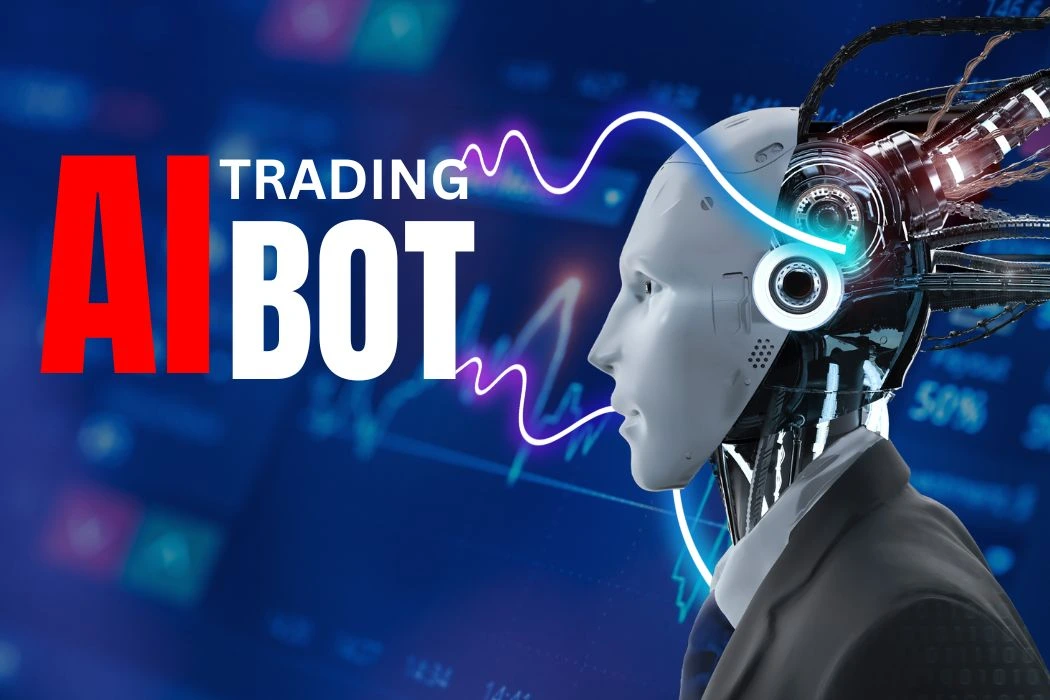
If you've searched "AI trading bots 2026" recently, you're not alone. Over the past year, retail traders have flooded search engines with questions about automated trading software — and for good reason. The way financial markets operate is changing fast, and the tools available to everyday investors have never been more powerful. This guide breaks down exactly how AI trading bots work, which platforms are worth your attention, and whether you should actually use one.
What are AI trading bots and how do they work in 2026?
An AI trading bot is software that uses machine learning algorithms to analyse market data and execute trades automatically — without requiring constant human input. Unlike older rule-based bots that followed rigid pre-set instructions, modern AI bots adapt in real-time by learning from past market behaviour.
In 2026, the most advanced platforms use large language models (LLMs) to process unstructured data — earnings call transcripts, central bank statements, social media sentiment — and convert it into trading signals within milliseconds. That's an edge that simply wasn't available to retail traders a few years ago.
AI Trading by the numbers in 2026 📊
The AI trading bot market hit $3.1B in 2025. By 2026, retail platforms report falling manual trading volumes as automation takes over. AI bots monitor markets 24/7 and execute trades in milliseconds.
Why AI trading bots are dominating markets in 2026
Three major forces have made AI trading bots the dominant force in 2026 markets:
• LLM integration — Bots now parse earnings calls, central bank minutes, and social sentiment in real-time using large language models, turning raw news into actionable trade signals instantly.
• Multi-asset convergence — Top platforms let traders automate strategies across stocks, crypto, forex, and futures from a single dashboard.
• Regulatory clarity — The SEC's 2025 guidance on automated retail trading established clear rules, significantly reducing platform risk for everyday investors.
The result? Retail platforms are now reporting a sharp decline in manual trading volumes as automation-driven strategies take over. In 2026, traders are not competing against markets — they're competing against algorithms.
Best AI trading bots for retail traders in 2026
Not all AI trading bots are equal. Here are four platforms generating the most attention this year:
1. Trade Ideas — Best for US stock traders
Trade Ideas uses its proprietary "Holly AI" engine to continuously scan US equities for high-probability setups, momentum signals, and unusual market activity. Ideal for intraday traders who want real-time alerts without manually scanning hundreds of tickers.
2. TrendSpider — Best for technical analysis automation
TrendSpider automates the chart analysis process — identifying trendlines, patterns, and support/resistance levels that would take a human analyst hours to map. Its no-code strategy builder makes it accessible even without programming skills.
3. 3Commas — Best for crypto automation
One of the most recognised names in crypto bot trading. 3Commas supports grid bots, DCA bots, and connects to all major exchanges. Best for crypto-focused investors who want structured, rule-based automation with clear controls.
4. QuantConnect — Best for advanced algorithmic traders
Built for quantitative traders who want full strategy control. Quant Connect provides institutional-grade infrastructure for back testing and live trading across stocks, forex, and futures. Requires Python or C# coding knowledge but offers unmatched depth.
⚠️Important risk disclaimer
No AI trading bot guarantees profit. Results depend on market conditions, strategy quality, and risk settings. Always test on a demo account first. Past performance does not guarantee future results.
AI trading bots vs manual trading: what's the real advantage?
The core advantage isn't speed — it's discipline. Manual trading forces every price move into an emotional decision. A well-configured AI trading bot removes that loop: it executes based on pre-set logic, holds positions for the planned duration, and doesn't panic during drawdowns. For traders who know their strategy works but struggle to execute it consistently, automation is genuinely transformative.
Risks of using AI trading bots — what beginners often miss
Unordered list
• Overfitting risk — Bots trained on historical data may fail when market conditions shift unexpectedly.
• News event vulnerability — Most bots struggle during high-impact releases (CPI, Fed decisions). Consider pausing automation around these events.
• Platform dependency — Performance is tied to the underlying platform's infrastructure, uptime, and execution reliability.
• False confidence — Good backtesting results do not guarantee live trading performance. Always start on demo.
How to get started with AI trading bots safely
Ordered list
1. Start with a free demo account on your chosen platform
2. Set strict position sizing — risk no more than 0.5–1% of capital per trade
3. Run the bot on demo for at least 2–4 weeks before going live
4. Review performance weekly, not daily — short-term noise distorts decisions
5. Use bots as execution tools, not a replacement for understanding market context
Should you use an AI trading bot in 2026?
If you have a tested strategy and the discipline to set proper risk controls, yes — AI trading bots in 2026 offer genuinely useful advantages. If you're hoping automation will do the thinking for you, the answer is no. The smartest approach is human + AI: you supply the strategic direction and oversight, the bot handles the execution discipline.
Weekly guides on AI trading tools, strategies, and risk management — written for real traders, not algorithms. Join thousands of readers who stay ahead of the market.

Frequently asked questions about AI trading bots
1. What is the best AI trading bot for beginners in 2026?
For beginners, Trade Ideas and TrendSpider offer the best combination of AI power and usability. Both provide real-time alerts and educational resources with no coding required.
2. Are AI trading bots legal?
Yes. AI trading bots are legal for retail traders in most jurisdictions. The SEC's 2025 guidance on automated retail trading established clear regulatory rules for their use.
3. Can AI trading bots lose money?
Yes. No AI trading bot guarantees profit. Bots can generate losses, particularly during unexpected market events, high-volatility news periods, or when the underlying strategy isn't well-calibrated.
4. How much does an AI trading bot cost?
Costs vary widely. Entry-level platforms like 3Commas start at around $29/month. Advanced platforms like Trade Ideas range from $100–$200/month. Some platforms offer limited free tiers.
5. Do AI trading bots work for crypto?
Yes — crypto is where AI bots offer the most value, since markets run 24/7 and human traders can't monitor them continuously. Grid bots and DCA bots perform particularly well in trending and sideways crypto markets.