US-Iran Ceasefire Deal: Oil Crashes Below $80, Markets Eye PCE Data This Week
Oil plummets as US-Iran negotiators reach 60-day roadmap. Brent crude drops 1.7% to $79 as geopolitical risk eases. But traders face inflation test Thursday—PCE data could trigger Fed rate hikes by October. Here's what to watch
US-Iran Ceasefire Deal: Oil Crashes Below $80, Markets Eye PCE Data This Week
Finally, Some Good News
Alright, so the geopolitical mess we've been dealing with for months? It just got a lot less messy.
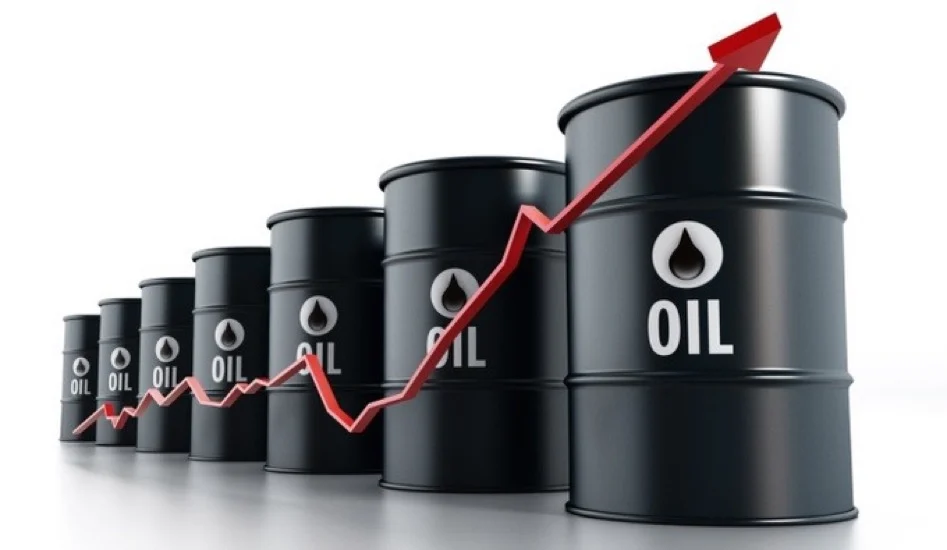
US and Iranian officials just agreed on a 60-day roadmap to hammer out a final peace deal. And the market loved it. Brent crude tanked 1.7% to $79.22 a barrel. West Texas Intermediate dropped 0.73% to $75.30. If you've been holding energy positions, this is the move that's been shaking your portfolio all morning.
I get it—lower oil sounds like a relief rally. And for certain sectors, it absolutely is. But here's what I'm seeing: everyone's focused on the oil drop, and nobody's paying attention to the real story brewing underneath.
The Fed Just Flipped the Script
Last week caught a lot of traders flat-footed. The Fed kept rates steady at 3.5%-3.75%—no change. But that hawkish tone? That's the part that matters.
Nearly half the FOMC members are now expecting rate hikes as soon as October.
Let that sink in. Three months ago, we were talking about rate cuts. Now we're talking about hikes. That's not a small shift. That's a complete 180.
The Fed's watching inflation like a hawk, and they're itching to act. Thursday's PCE data is going to be the first real test of whether they actually follow through.
Here's the Problem With That Oil Rally
Yeah, oil crashing is generally a good thing—lower energy costs, less inflation pressure, all that. Makes sense on the surface.
But the Fed doesn't care about falling oil prices right now. They care about whether core inflation (excluding food and energy) is actually coming down. And spoiler: the market's expecting it to rise slightly in May's data. Not fall. Rise.
So we've got this weird situation: oil's crashing, which is normally bullish. But rate hike expectations are climbing, which is normally bearish. And these two things are fighting each other in the market right now.
If Thursday's PCE number comes in hot—hotter than expected—here's what happens:
Treasury yields spike higher (they're already creeping toward 4.5%)
Tech gets absolutely demolished (it's the most rate-sensitive sector out there)
Rate hike expectations accelerate
Volatility comes roaring back
What I'm Watching This Week
There are four things on my radar right now.
1. Thursday's PCE Release at 8:30 AM ET
This is the number that matters. It's the Fed's preferred inflation gauge. If you're not watching this, you're essentially flying blind on rate expectations. Set your alarms. Seriously.
2. Treasury Yields
The 10-year's already at 4.5%—that's the highest since June 12. I'm watching to see if it breaks through 4.55%. That's technical resistance, and momentum traders are going to jump on it if it does.
3. The Chip Sector (Especially Nvidia)
Intel jumped 10.6% last week after Trump announced it'd manufacture Apple chips domestically. Semiconductors are your canary in the coal mine for growth. If growth expectations are slowing because rates are going up, chips will get hit first. And they'll get hit hard.
4. Oil Support Levels
Brent's found support at $79. But this ceasefire is fragile. One Trump tweet, one escalation with Hezbollah, and oil's spiking back to $90+ overnight. Keep your stops tight if you're shorting crude.
Here's My Game Plan
Don't let the falling oil prices comfort you. That's the short-term story. The real story is Thursday.
Traders who've positioned before PCE drops hit will have the advantage. The ones who don't? They're going to panic-sell into the volatility.
We're in this weird sweet spot right now—low oil, decent tech momentum, geopolitical tensions easing. It feels good. But it's a false calm before the inflation storm hits.
Use this week to get your house in order. Rebalance if you need to. Tighten your stops. Think through your Thursday strategy now, while you're calm, not when the market's moving 2% in the first 10 minutes.
The Fed's ready to hike. The only question left is whether Thursday's PCE data gives them the excuse to move faster than everyone's expecting.
Stay sharp this week. 🚀
CEASEFIRE & OIL
Q1: Why did oil crash just from peace talks?
Oil prices have a "geopolitical risk premium." When war risks high, oil stays expensive. When risk drops, oil crashes. Think of it like insurance premiums—they drop when the hurricane passes.
Q2: Will the ceasefire actually hold?
Probably not for 60 days. Both sides have broken agreements before. One Trump tweet or escalation = deal collapses overnight. Oil could spike back to $90+ in hours.
Q3: What if ceasefire breaks?
Oil: $79 → $85-92 (within hours)
Energy stocks (XOM, CVX): +2-4%
Tech stocks: -1-2% (inflation concerns)
Q4: Is lower oil good for my portfolio?
Yes, long-term. Lower energy costs = less inflation. But short-term, Fed rate hikes matter more than oil prices.
PCE DATA (THE REAL STORY)
Q5: What is PCE?
Personal Consumption Expenditures. It's how the Fed measures inflation. It's their preferred metric, so it matters A LOT.
Q6: When does PCE release?
Thursday, 8:30 AM ET (before market open at 9:30 AM).
Q7: What's expected?
Headline PCE: ~2.8% year-over-year (up from April)
Core PCE: ~2.4% year-over-year (up from April)
Translation: Inflation is still sticky, not falling.
Q8: What if PCE is hotter than expected?
Treasury yields spike
Tech stocks get demolished
Rate hike odds accelerate
Volatility explodes
Q9: What if PCE comes in cooler?
Relief rally
Tech bounces
Rate hike odds drop
Bonds stabilize
FED RATE HIKES
Q10: Why is Fed talking about October hikes?
Inflation isn't falling fast enough. Labor market is still hot. Rates at 3.5%-3.75% might be "too low" now.
Q11: Are October hikes guaranteed?
No. Currently ~50% odds for October, ~70% for December. Economic data could change this.
Q12: If rates go up, what happens to tech?
Tech gets hit hard. -2-5% per 0.25% rate hike. That's because growth stocks lose valuation when rates rise.
Q13: What about energy stocks when rates rise?
Energy stocks actually do okay. +1-2% per rate hike because they have better margins.
WHAT TO WATCH THIS WEEK
Q14: Should I trade this week?
Only if you're experienced with macro events. Volatility will be brutal. Conservative move: wait until after PCE settles.
Q15: Should I bet on oil prices?
Too much headline risk. One Trump tweet and it swings $5+. Not worth it unless you're active day trading.
Q16: Should I buy tech before rate hikes?
Don't buy all at once. Accumulate 25% of position. Scale in on weakness after PCE. Rate hike odds could be priced in already.
Q17: Should I hold overnight before PCE?
No. Close positions before 8:30 AM Thursday. Wait 30 min for volatility to settle, then re-enter if you want.
Q18: What time should I trade Thursday?
Wait until 10:00-10:30 AM. First 30 minutes are chaos. Wide spreads, whipsaws, panic selling. Not worth it.
Q19: What if market crashes Thursday on hot PCE?
Don't panic sell. Let volatility settle. At 10:00 AM, if down 2%+ = potential bottom. That's when tech is cheapest. BUY.
Q20: How much should I risk per trade?
1-2% rule. $10,000 account = risk $100-200 max per trade. Don't blow up your account on one data point.
SPECIFIC TRADES
Q21: Intel is up 10.6%. Should I chase it?
No. Don't chase last week's winners. Wait for pullback post-PCE. Chips are expensive right now.
Q22: What about airline stocks (DAL, UAL)?
They benefit from low oil (lower fuel costs). Could be good play if ceasefire holds. But don't go all-in.
Q23: Should I buy energy stocks now?
Energy is cheap. But ceasefire is fragile. If you believe it breaks, energy is a good hedge. Otherwise, wait.
Q24: What about Treasury bonds?
Yields are climbing (bad for bond prices). If you hold bonds, you're taking losses. Consider rotating into dividend stocks.
RISK MANAGEMENT
Q25: What's the biggest risk this week?
Headline risk. Trump tweets, Iran escalates, ceasefire breaks = oil spikes $5-8. Your portfolio whipsaws.
Q26: How do I protect against Thursday's volatility?
Set stop-losses NOW (before PCE)
Reduce position sizes by 50%
Keep 50% cash
Don't use leverage
Q27: Should I use options for PCE?
Only if you understand them. Straddles/strangles can profit from big moves. But implied volatility is expensive right now.
Q28: What if I'm already in tech and rates go up?
If up 20%+: Take profits on 50%, let 50% ride
If breakeven: Reduce to half-position
If down 10%+: Hold until after PCE, then reassess
LONG-TERM OUTLOOK
Q29: Is this oil crash bad long-term?
No. Lower energy costs = better corporate margins. Short-term pain for energy investors, but good for economy overall.
Q30: What's the main takeaway from this blog?
Oil crash is temporary relief. Fed rate hikes are the real story. Focus on PCE Thursday—that's what moves markets.
⚠️ Thursday's PCE is the Real Story
Oil's crashing, but rate hikes matter more. PCE data at 8:30 AM ET will determine if Fed hikes in October.
⏰ This number determines if Fed hikes rates by October. Set your alarms. Don't miss it.